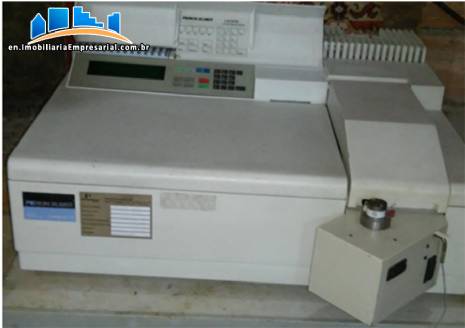
Chromatography is an analytical technique widely used in laboratories to separate, identify and quantify components of a mixture. There are several types of chromatography, each suitable for different applications. Here are some common types of chromatography and their applications in different types of laboratories:
1. High Performance Liquid Chromatography (HPLC):
What it is for: Used to separate, identify and quantify compounds in liquids.
How it works: The sample is injected into a chromatographic column where it interacts with a stationary phase. The separation is carried out with the help of a mobile phase (liquid) which is pumped through the column.
Laboratory types: Chemical, pharmaceutical, environmental, food and beverage laboratories.
2. Gas Chromatography (GC):
What it is for: Used to separate and analyze volatile compounds in gases.
How it works: The sample is vaporized and injected into a chromatographic column where it interacts with a stationary phase. The separation is carried out by a gaseous mobile phase.
Laboratory types: Chemical, environmental, pharmaceutical, forensic laboratories.
3. Thin Layer Chromatography (TLC):
What it is for: Used to separate and identify compounds in a mixture.
How it works: The sample is applied to a plate coated with a stationary phase. Separation occurs as the sample moves across the plate by capillary action.
Laboratory types: Research laboratories, organic chemistry, quality control.
4. Ion Exchange Chromatography:
What it is for: Used to separate ions based on their charges.
How it works: The stationary phase contains ionic groups and the ions in the sample interact with these groups. Separation is based on ionic affinity.
Laboratory types: Biochemical, pharmaceutical, water analysis laboratories.
5. Affinity Chromatography:
What it is for: Used to separate molecules based on specific interactions, such as antigen-antibody bonds.
How it works: The stationary phase contains specific ligands that selectively bind to target molecules.
Types of laboratory: Biochemical, pharmaceutical, biotechnology laboratories.
6. Normal Phase Chromatography:
What it is for: Used to separate compounds based on their polarities.
How it works: The stationary phase is polar, and separation occurs based on polarity interactions with the mobile phase.
Types of laboratory: Chemical, pharmaceutical, food analysis laboratories.
7. Size Exchange Chromatography (SEC):
What it is for: Used to separate molecules based on their sizes.
How it works: The stationary phase is made up of porous particles that allow larger molecules to pass through more quickly.
Types of laboratory: Biochemical, pharmaceutical, biotechnology laboratories.
These are just a few examples of chromatography techniques, and each one has its specific applications in different types of laboratories, depending on the analysis and research needs. |