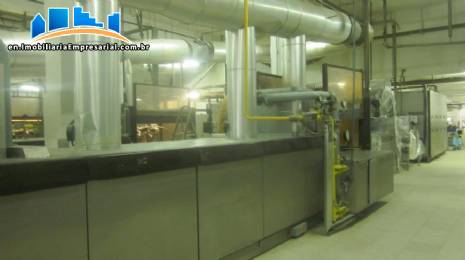
Tunnel ovens play a crucial role in the food industry, being used to process a variety of products on a large scale. Here is some information about its usefulness, functioning and common types in the food industry:
Utility:
Cooking and Roasting:
Tunnel ovens are widely used for baking and cooking foods such as bread, cakes, cookies, pasta, processed meats and other food products.
Drying:
Some tunnel ovens are designed to carry out drying processes on foods, such as fruits, dehydrated vegetables and similar products.
Sterilization:
In certain cases, these ovens are also used to sterilize food, increasing its shelf life.
Operation:
Continuous Transport:
The main characteristic of tunnel ovens is the continuous transport of products through a series of conveyors or chains. This allows for efficient mass production.
Temperature Control Zones:
Tunnel ovens are divided into zones, each controlling a specific temperature. This allows you to adjust cooking conditions throughout the tunnel.
Ventilation and Humidity Control:
Ventilation and humidity control systems are employed to optimize cooking conditions and ensure consistent results.
Types of Tunnel Furnaces:
Electric Tunnel Furnaces:
They use electrical resistance to generate heat. They are common in operations where there is easy access to electricity.
Gas Tunnel Furnaces:
They use gas burners to generate heat. They are efficient and often chosen in locations where gas is a more accessible source of energy.
Steam Tunnel Ovens:
They employ steam to create a moist environment during cooking, making them useful for products that benefit from humidity.
Microwave Tunnel Ovens:
They use microwaves to quickly cook or bake certain foods.
Heating Systems:
Electrical Resistances:
They convert electrical energy directly into heat.
Gas Burners:
They burn gas to generate heat.
Steam Generators:
They produce steam to provide heat and humidity to the environment.
Microwave:
They generate microwaves to heat food quickly.
The choice between these types of tunnel kilns depends on specific production needs, energy costs, resource availability and characteristics of the desired end product. |